

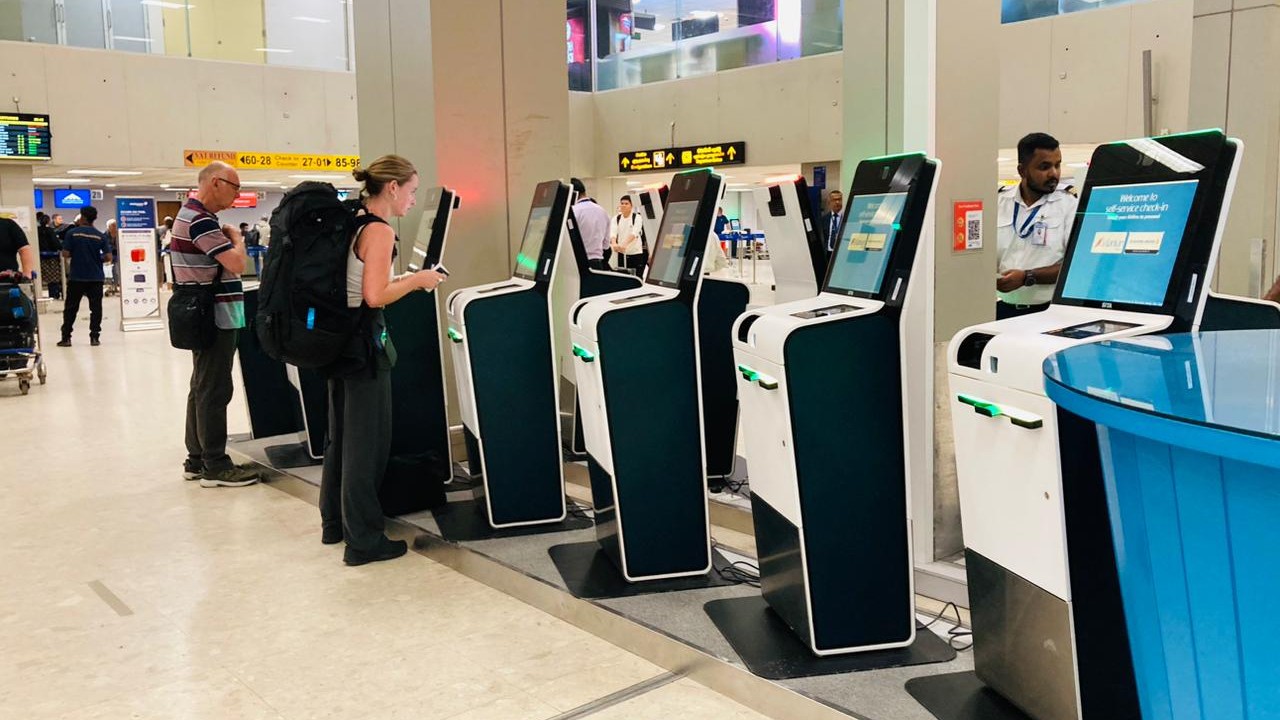
Sri Lanka is back on many travellers’ radars — and 2026 brings a fresh wave of upgrades, openings and policy changes designed to make visiting easier and more rewarding. If you’re planning a trip next year, here’s a practical, up-to-date guide to what’s changed (and what hasn’t), plus how to make the most of the island in 2026.
Quick snapshot: the five big things to know
- Visa/ETA guidance has been updated — check official sources before you travel. Immigration
- Colombo’s main airport expansion is set to restart, meaning major capacity upgrades are underway. Aviation Week
- Railway stations and regional rail upgrades are being renovated as part of a national “Dream Destination” push. PMD
- New luxury and boutique hotels have opened or are opening, expanding options for every budget. Skift DLR+1
- The tourism authority is doubling down on sustainability and certification for greener travel. SLTDA
Below I unpack each of these points and give practical tips for planning your 2026 Sri Lanka trip.
1) Visas & entry: simpler — but confirm before you fly
Sri Lanka has adjusted the way it manages Electronic Travel Authorizations (ETA) and short-stay visitor entry several times recently. The government announced changes in late 2025 that were later put on hold — which means the safest approach is to check the official immigration/ETA site before booking flights. Always print or save a screenshot of any confirmation you receive. Immigration+1
Quick tip: keep an eye on the official immigration or ETA portal in the weeks before departure. Requirements (such as proof of onward travel, ETA fees, or documentation) can be updated quickly during busy seasons.
2) Getting there: Bandaranaike International Airport (Colombo) expansion
A major development for travellers is the Bandaranaike International Airport (BIA) expansion project. Construction on a new passenger terminal — halted earlier — is scheduled to restart, with a planned completion that will substantially increase passenger capacity. This means less congestion and smoother transit in the coming years as the project progresses. If your itinerary includes transit or late-night arrivals, monitor airline notifications and the airport website for terminal or gate changes. Aviation Week+1
Practical note: while construction ramps up, occasional works may affect traffic or transport routes to the airport. Allow extra time for transfers to be safe.
3) Better trains, cleaner stations: the “Dream Destination” momentum
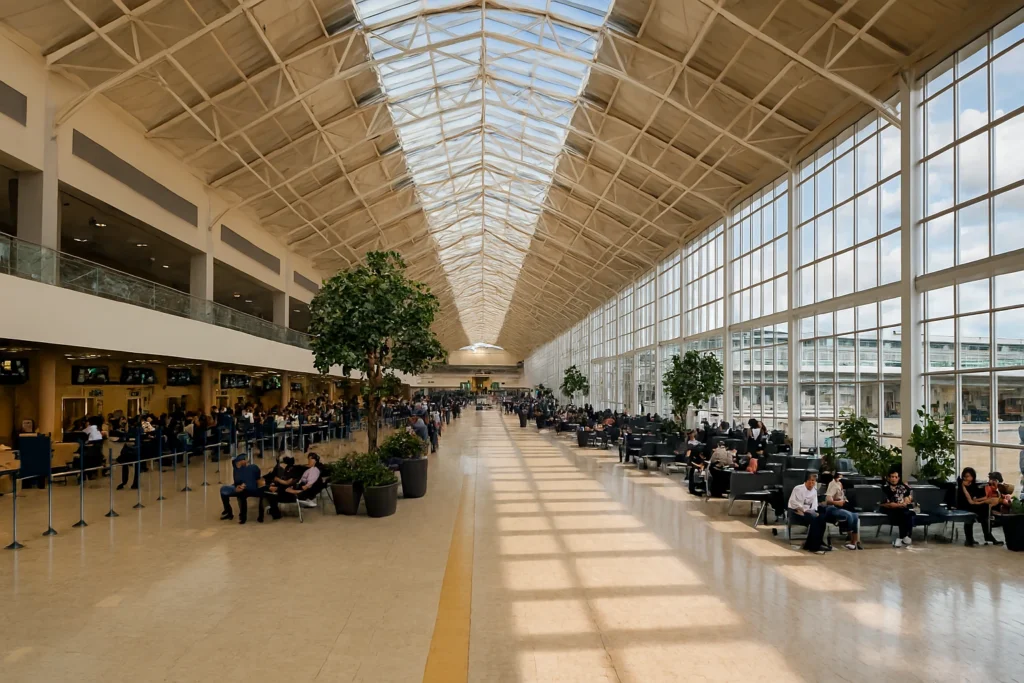
Sri Lanka is investing in public transport and visitor infrastructure. The “Dream Destination” program and related initiatives have been renovating key railway stations (Kandy, Colombo Fort, Maradana and others) and improving passenger amenities. These upgrades mean more comfortable station experiences and gradually better-connected routes — especially useful if you plan scenic train rides from Kandy to Ella or Colombo to Galle. PMD+1
What this means for you: iconic rail journeys (like Kandy → Nuwara Eliya/Ella) remain some of the world’s most scenic — and station upgrades will make boarding and luggage handling easier. Expect cleaner platforms, improved signage and more reliable ticket counters as projects continue.
4) Hotels & new stays: more choices for every traveller
Luxury and boutique hotel development has accelerated. Major brands and local investors have launched or confirmed new properties — from high-end beachfront resorts to intimate boutique stays in off-the-beaten-path places. These openings expand mid-range to luxury options and encourage longer stays in regions beyond the usual circuits. If you’re hunting unique stays (eco-lodges, converted tea-estate bungalows, or small luxury resorts), book early — interesting new properties fill up fast. Skift DLR+1
Booking tip: look for cancellation-friendly rates for new properties (so you can change plans) and check recent guest reviews for service and facilities, since newly opened hotels can have initial teething issues.
5) Sustainability & responsible tourism: certifications and standards
Sri Lanka’s tourism authority has been promoting sustainable tourism and is working toward national certification for responsible operators and businesses. Expect more ecolodges, certified tour operators, and community-led experiences. This is great news if you prefer low-impact travel, want to support local communities, or care about wildlife conservation policies when visiting national parks. SLTDA+1
How to travel responsibly:
- Choose certified guides and accommodations where possible.
- Avoid buying products made from wildlife or endangered materials.
- Respect park rules — e.g., no feeding wildlife, stick to designated paths.
6) Wildlife & national parks: the same magic, with clearer rules
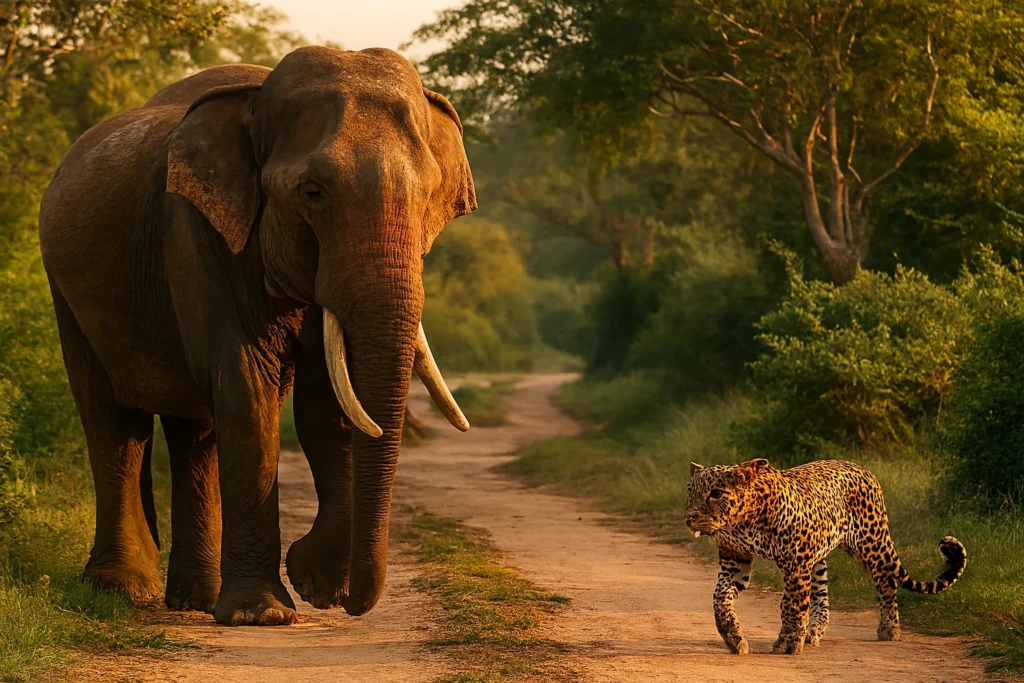
Sri Lanka’s parks (Yala, Udawalawe, Wilpattu, Horton Plains) remain must-see draws. Park authorities have emphasized stricter visitor rules and conservation measures — so book safaris through licensed operators, follow park rules, and choose smaller vehicles when available to reduce disturbance to animals. Early morning and late-afternoon safaris still offer the best wildlife viewing and cooler temperatures. yalasrilanka.lk+1
Safety tip: pack binoculars, respect ranger guidance, and never leave the vehicle in undesignated areas.
7) New experiences and off-beat regions
With tourism promotion pushing regional diversity, expect more interest in lesser-visited regions: the East Coast (Trincomalee, Kalkudah), Northern provinces (Jaffna and its unique culinary and cultural heritage), and expanding hill-country eco stays. These areas offer fewer crowds and authentic cultural experiences — ideal for travellers who want something different from the coastal or Cultural-Triangle circuits. Look for local festivals and food tours to deepen your experience. Sri Lanka Tourism
Practical packing: for the east and north, sun protection and simple reef-safe sunscreen are musts; hill country nights can be cool — pack a light jacket.
8) Money, connectivity & transport in 2026
- Currency & payments: Many tourist spots accept cards, but cash (LKR) is still essential for tuk-tuks, small shops and rural markets. Carry small denominations.
- Connectivity: SIM cards are cheap; buy one at the airport or in major towns for maps and quick booking changes.
- In-country travel: trains are scenic; buses are cheap but crowded; private drivers are convenient for tight itineraries. Expect improved station amenities thanks to recent renovations. PMD
Money tip: notify your bank about travel dates and carry a backup payment method.
9) Safety, health and practical reminders
- Health: basic vaccinations and travel insurance are recommended. Carry a small first-aid kit and any personal medications.
- Weather: Sri Lanka has two monsoon seasons. Plan regionally — the west/south coasts and hill country have different rainy seasons than the east coast.
- Local customs: dress respectfully at temples, remove shoes when required, and ask before photographing people.
10) How the New Self Check-In Counters Will Reduce Airport Queues
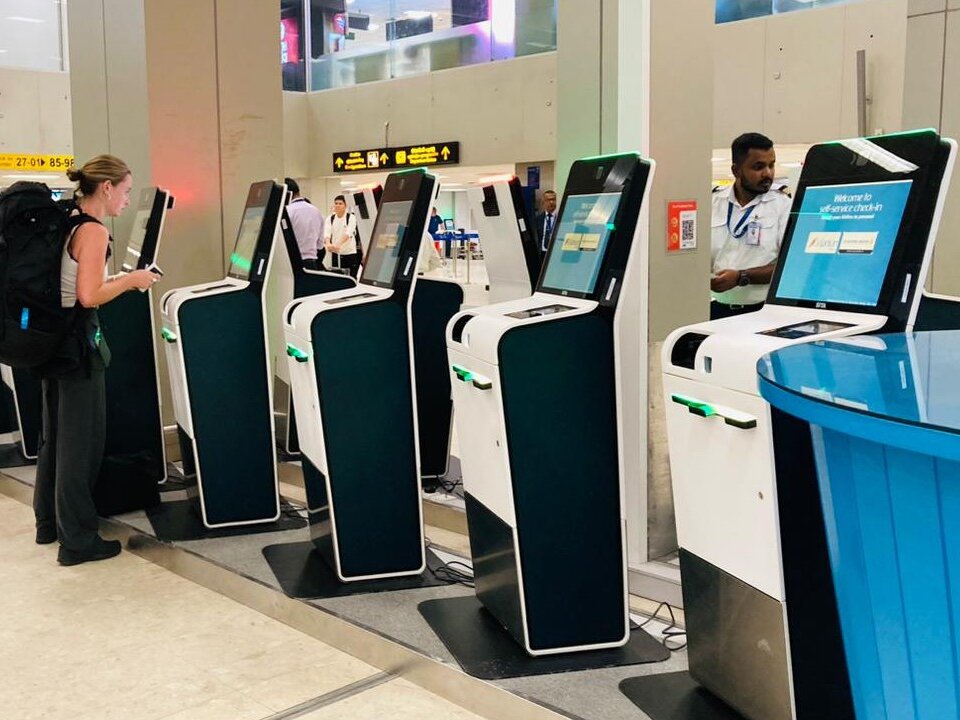
The SriLankan Airlines’s ground-handling arm, SriLankan Airport & Ground Services, has announced the addition of 20 new self-check-in kiosks at the departure terminal of Bandaranaike International Airport (BIA) in Colombo, raising the total to 28 kiosks. EconomyNext+1 The initiative—driven by the airline’s in-house IT team—is timed ahead of the upcoming peak winter travel season, during which Sri Lanka expects more than 300,000 tourists in December alone. Hiru News+1 The system enables travellers to bypass traditional check-in counters by selecting their seats, printing boarding passes and bag tags at the kiosks in just a few steps, thereby easing congestion in the terminal and enhancing passenger flow. Daily FT+1 With approximately 15% of departing passengers already using the kiosks, the move underscores SriLankan’s push toward digital airport solutions and improved service for both its own and partner airlines.
Sample 7-day 2026 itinerary (updated for new options)
Day 1: Arrive Colombo — transfer to Negombo for a beachside night.
Day 2: Colombo city highlights (if you have time) — then train to Kandy; explore market and Temple of the Tooth.
Day 3: Kandy → hill-country tea estates (Nuwara Eliya/Ella) — stay in a renovated station town or boutique tea-estate stay.
Day 4: Scenic train to Ella — Little Adam’s Peak and Nine Arches bridge.
Day 5: South coast (Mirissa or Tangalle) — new boutique hotels or luxury resorts if you prefer.
Day 6: Wildlife safari (Yala or Udawalawe) with a licensed operator.
Day 7: Return to Colombo for departure or fly out from Hambantota depending on flights.
Final tips for 2026 bookings
- Book key accommodation and national-park safaris in advance (especially for October–March peak season).
- Monitor official visa/ETA pages before departure; rules can change quickly. Immigration
- Consider low-impact experiences and certified operators to support sustainability. SLTDA


Superb website!
Thank you dulshan