

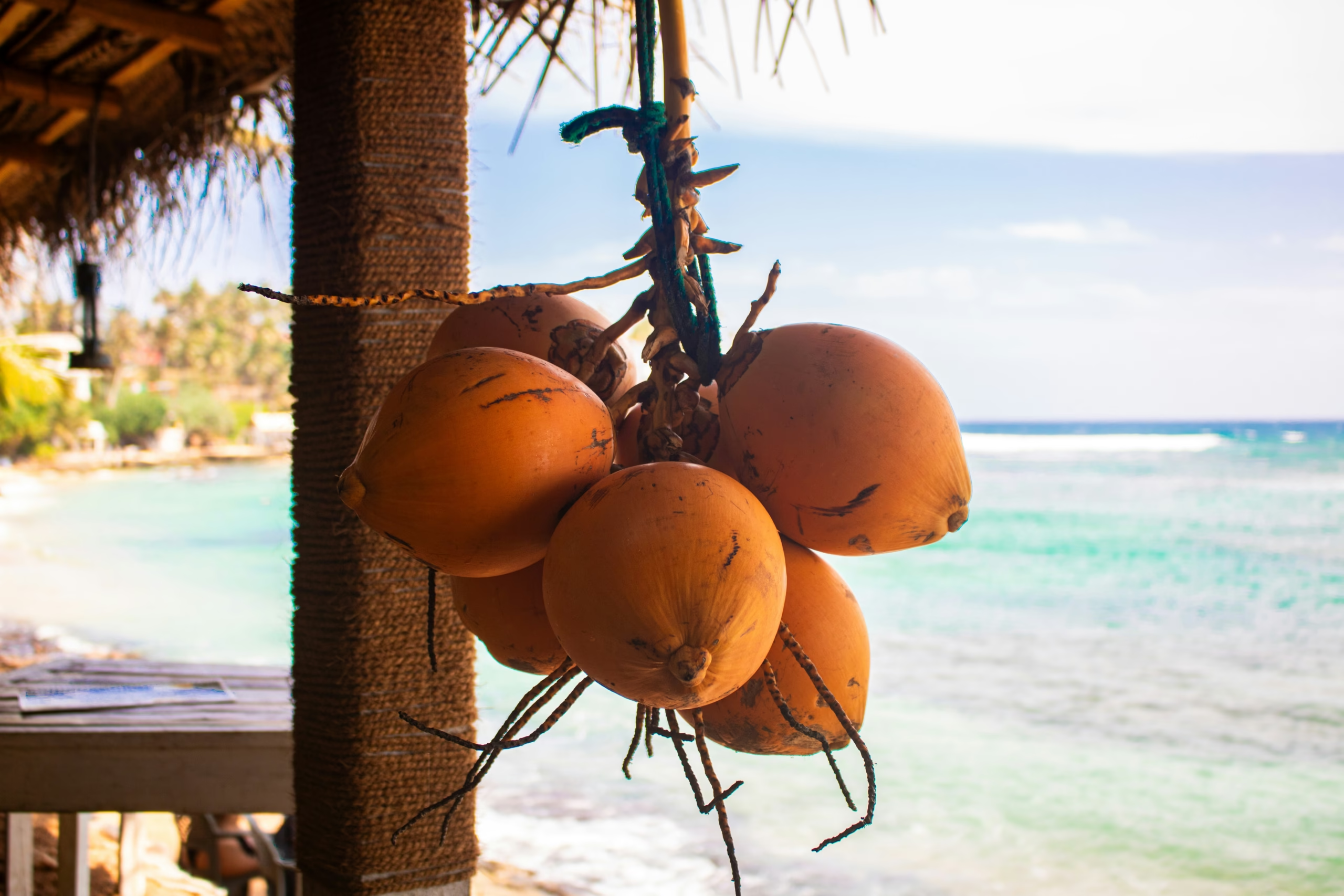
The Golden Symbol of Sri Lanka
Among Sri Lanka’s lush green landscapes and tropical charm, one fruit stands out with its bright orange glow — the King Coconut, locally known as Thambili.
Unlike the common green coconut, the King Coconut is unique to Sri Lanka and has become a symbol of island life. Found along roadsides, beaches, and markets, it’s more than a drink — it’s a taste of local culture, hospitality, and natural purity.
For travelers exploring the island, sipping fresh King Coconut water is one of the simplest yet most memorable experiences. It’s refreshing, healthy, and offers an authentic taste of Sri Lanka’s tropical essence.
What Is King Coconut?
The King Coconut (Cocos nucifera var. aurantiaca) is a special variety of coconut tree native to Sri Lanka. Its fruits are smaller, oval-shaped, and bright orange or golden-yellow in color.
Inside, the water is sweeter and lighter than that of a green coconut, making it perfect for hydration in the island’s warm climate.
A single King Coconut usually contains about 300 to 500 milliliters of water, rich in electrolytes and natural sugars. Unlike many commercial energy drinks, King Coconut water is entirely natural — no preservatives, no artificial flavors, just pure island refreshment.
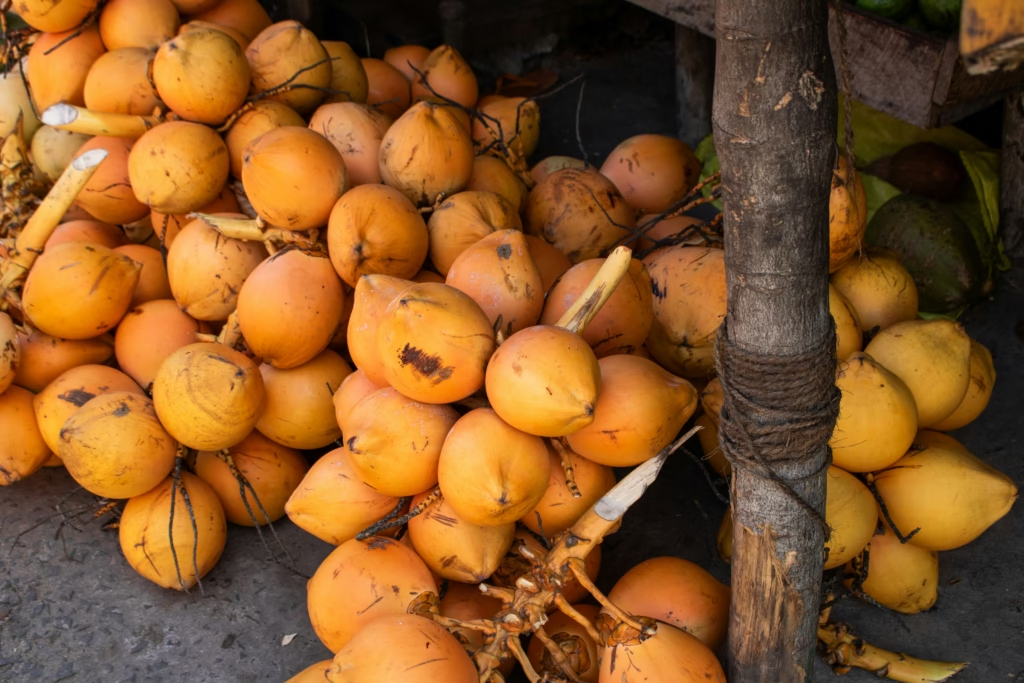
There are several varieties grown across the island, but the most common is “Tambili” (the golden variety), prized for its taste and health properties.
A Brief History and Cultural Significance
The coconut tree, often called the “Tree of Life,” has been deeply intertwined with Sri Lankan life for centuries. Every part of the coconut tree serves a purpose — from the leaves used for roofing to the trunk used for construction and the fruit used for food, oil, and drinks.
However, the King Coconut holds a special cultural and religious place.
- In Ayurvedic medicine, it’s used for its cooling and detoxifying properties.
- In Buddhist rituals, King Coconuts are often offered at temples as symbols of purity and life.
- In village traditions, the fruit is served to guests as a gesture of welcome and respect.
For travelers, drinking Thambili on a roadside isn’t just a refreshment — it’s a glimpse into Sri Lankan hospitality and tradition.
The Health Benefits of King Coconut
Foreign visitors are often amazed to learn that King Coconut water isn’t just delicious; it’s one of nature’s best health tonics. Here’s why locals and Ayurvedic practitioners value it so highly:
Natural Hydration
King Coconut water is rich in electrolytes such as potassium, magnesium, and calcium, making it perfect for hydration — especially after hiking, sightseeing, or spending a day at the beach.
Boosts Immunity
It contains vitamins and antioxidants that help strengthen your immune system and fight off tropical fatigue.
Good for Digestion
In Ayurveda, Thambili water is considered cooling and soothing for the stomach. It’s often recommended for mild stomach upset or dehydration.
Lowers Blood Pressure
The natural potassium content helps balance sodium levels and supports heart health.
Perfect Natural Energy Drink
For travelers avoiding processed drinks, King Coconut offers natural energy and hydration without any chemicals or sugar additives.
Where to Find King Coconuts in Sri Lanka
You don’t have to look far — King Coconuts are available almost everywhere in Sri Lanka.
Roadside Vendors
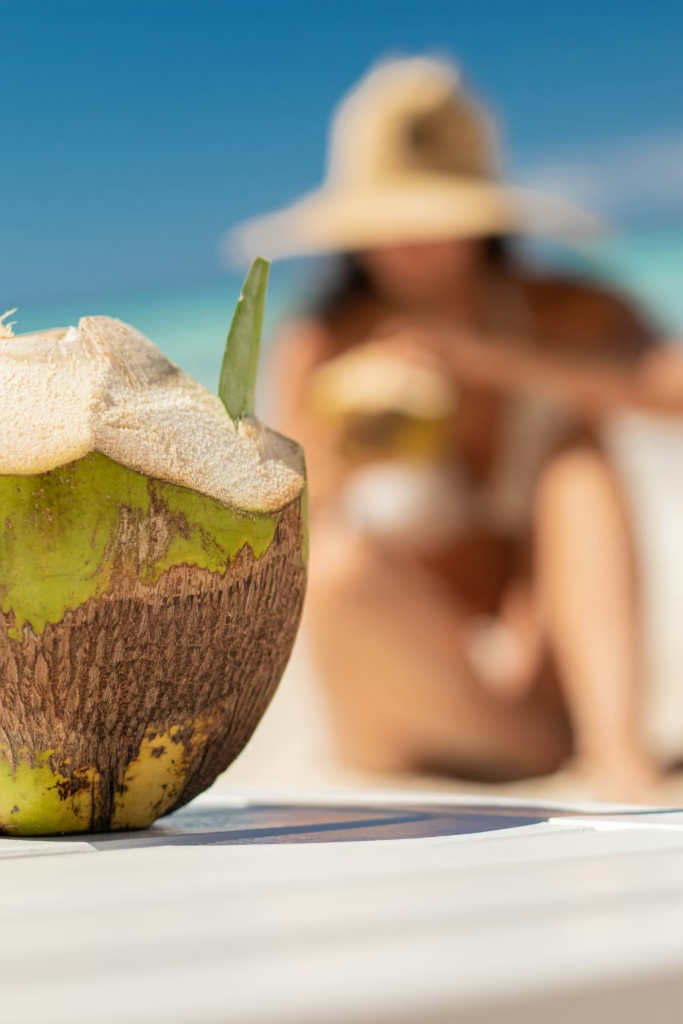
The most common and authentic way to enjoy it is from street-side stalls. Vendors skillfully chop off the top with a machete and hand you the fruit with a straw.
These stalls can be found along highways, beaches, and in tourist towns such as:
- Colombo – roadside markets and Galle Face Green
- Galle Fort – around the old town and coastal areas
- Kandy – near the lake and temple surroundings
- Sigiriya & Dambulla – at rest stops near the heritage sites (also read : https://lankaquest.com/sigiriya-7th-world-wonder-sri-lanka-history-highlights-complete-visitor-guide/ )
- Ella & Nuwara Eliya – along hiking trails and viewpoints (also read : https://lankaquest.com/ella-sri-lanka-complete-2025-travel-guide/ )
Hotels and Cafés
Many eco-resorts, spas, and restaurants also serve chilled King Coconut as a welcome drink — a refreshing introduction to tropical Sri Lanka.
Cost for Tourists
A King Coconut usually costs between LKR 100–250 (USD 0.30–0.70) depending on location.
Tourist areas may charge slightly more, but it’s still one of the most affordable delights you’ll find on the island.
How to Drink It Like a Local
Enjoying a King Coconut is simple but comes with a few local tips:
- Choose a fresh, bright orange coconut — this indicates ripeness.
- The vendor will slice off the top with a machete and insert a straw.
- Drink the sweet water directly.
- When you’re done, ask the vendor to split it open — the inside contains soft, jelly-like flesh that’s delicious to eat with a spoon.
Local tip: Don’t refrigerate it before drinking. Sri Lankans prefer it at ambient temperature, which enhances the natural flavor and sweetness.
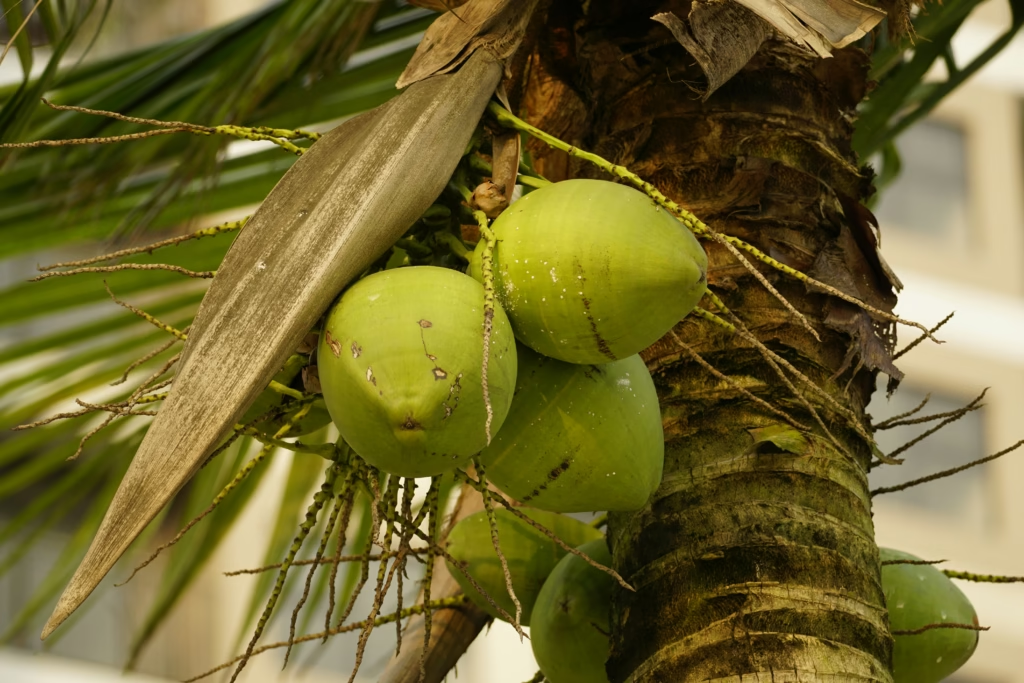
King Coconut vs. Green Coconut: What’s the Difference?
| Feature | King Coconut (Thambili) | Green Coconut |
|---|---|---|
| Color | Bright orange/yellow | Green |
| Origin | Native to Sri Lanka | Common in many tropical countries |
| Taste | Naturally sweeter and lighter | More neutral taste |
| Water content | 300–500 ml | 400–600 ml |
| Health benefits | Rich in potassium and antioxidants | Good hydration but less sweet |
| Usage | Drinking and Ayurveda | Drinking and cooking |
For travelers, the King Coconut experience is unique to Sri Lanka — you won’t find the same flavor or cultural connection anywhere else.
Sustainability and Eco-Friendliness
King Coconut farming in Sri Lanka is mostly organic and sustainable.
Farmers avoid chemical fertilizers, and the fruits are harvested by hand. The outer shell and husk are biodegradable, making it one of the most eco-friendly drinks available.
Many wellness resorts and green hotels encourage tourists to drink King Coconut as part of their sustainable travel experience — reducing plastic waste from bottled drinks and supporting local farmers.
Best Time and Places to Enjoy It
The King Coconut season runs year-round in Sri Lanka, though the supply is especially abundant during May to September.
Some of the best spots to enjoy a chilled Thambili include:
- Unawatuna or Mirissa Beach: Perfect refreshment after swimming.
- Sigiriya Rock Fortress: Try one at the base after your climb.
- Ella Gap Viewpoint: Sip while admiring the mountain views.
- Kandy Lake Walk: Vendors often sell coconuts near the Temple of the Tooth.
- Colombo’s Galle Face Green: Popular with both locals and visitors during sunset.
Why Tourists Should Try King Coconut
For travelers exploring Sri Lanka, the King Coconut represents more than just a drink. It’s:
- A symbol of Sri Lankan hospitality
- A healthy alternative to sugary beverages
- A sustainable and local product supporting small-scale farmers
- A refreshing companion to your tropical journey
It’s an experience that connects you directly with the island’s culture, nature, and everyday life.
Taste the Essence of Sri Lanka
No trip to Sri Lanka is complete without the taste of King Coconut.
Whether you’re relaxing by the beach, hiking up to Ella Rock, or exploring the streets of Colombo, a freshly cut Thambili offers both refreshment and a moment of cultural connection.
It’s simple, pure, and uniquely Sri Lankan — a golden drink that captures the island’s heart.
Author Bio
Written by:Sawyer
Travel writer and content creator exploring the culture, food, and natural wonders of Sri Lanka. I share stories that help travelers experience authentic Sri Lankan life and sustainable adventures across the island.


Great post. I like your contents