

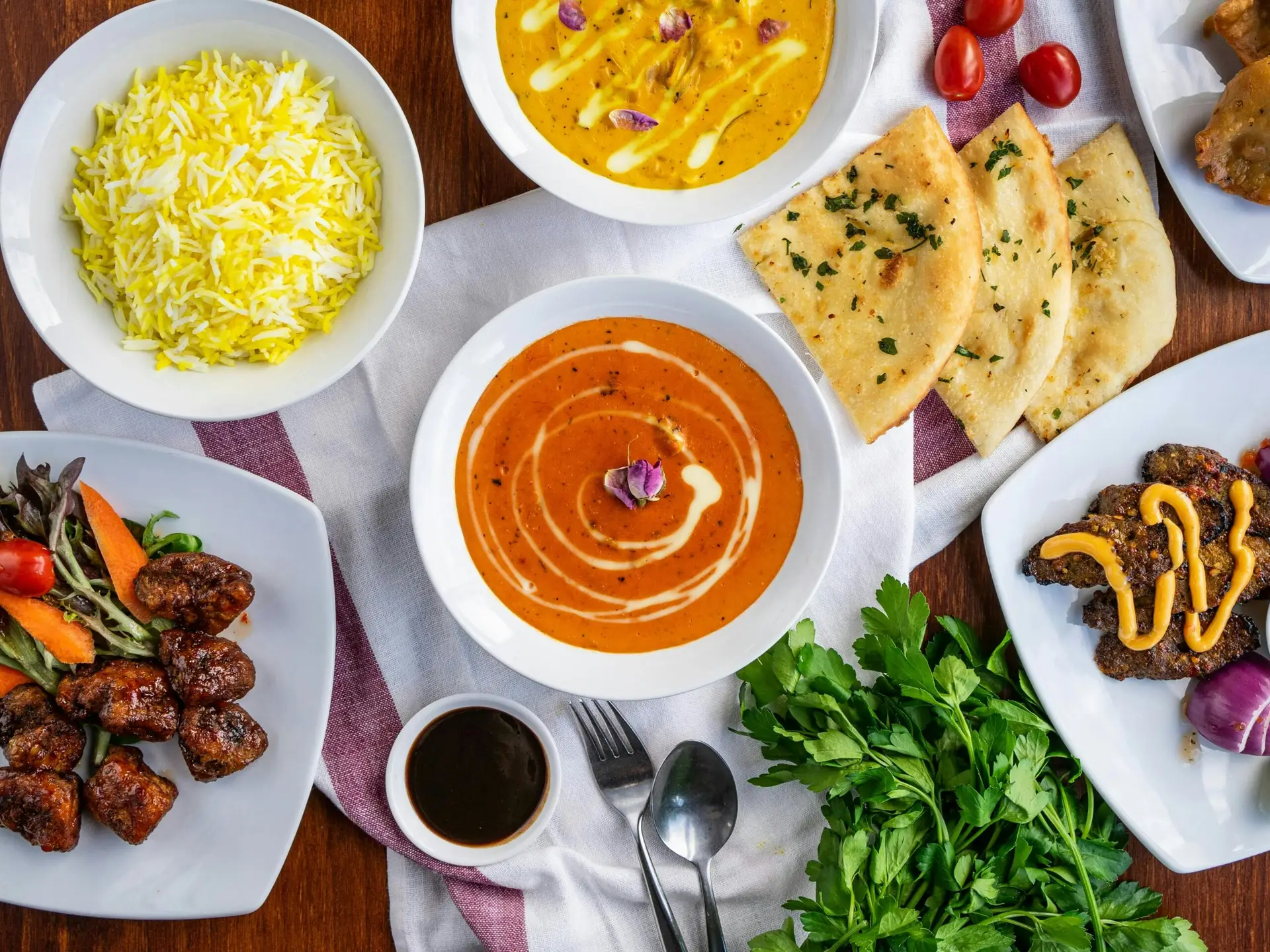
Sri Lankan food or cuisine continues to surprise and delight travelers from the United States and Europe. Its blend of fragrant spices, coconut-rich curries, colorful sambols, and comforting starches makes it one of the most approachable Asian cuisines for Western palates. This guide explores 15 beloved Sri Lankan dishes — complete with serving methods, calorie estimates, and a creative reading suggestion at the end of each section for those who want to explore deeper.
1. Kottu Roti
The most Sri Lankan Foods Americans and Europeans Love is Kottu Roti — the clattering, musical, street-side stir-fry — is often the first Sri Lankan dish foreigners fall in love with. Its mix of chopped godamba roti, vegetables, egg, and meat is satisfying, familiar, and packed with flavor. Americans appreciate its resemblance to a hearty stir-fry, while Europeans love its comforting texture and layered spices.
Serving Method
- Serve immediately while piping hot.
- Offer a small bowl of gravy on the side.
- A squeeze of lime lifts the flavors beautifully.
Calories: 550–700 kcal
If you want to hear the “dancing knives” of real Kottu stalls, take a look at how Sri Lankans prepare it:
https://en.wikipedia.org/wiki/Kottu
2. Hoppers (Appa / Egg Hoppers / Milk Hoppers)
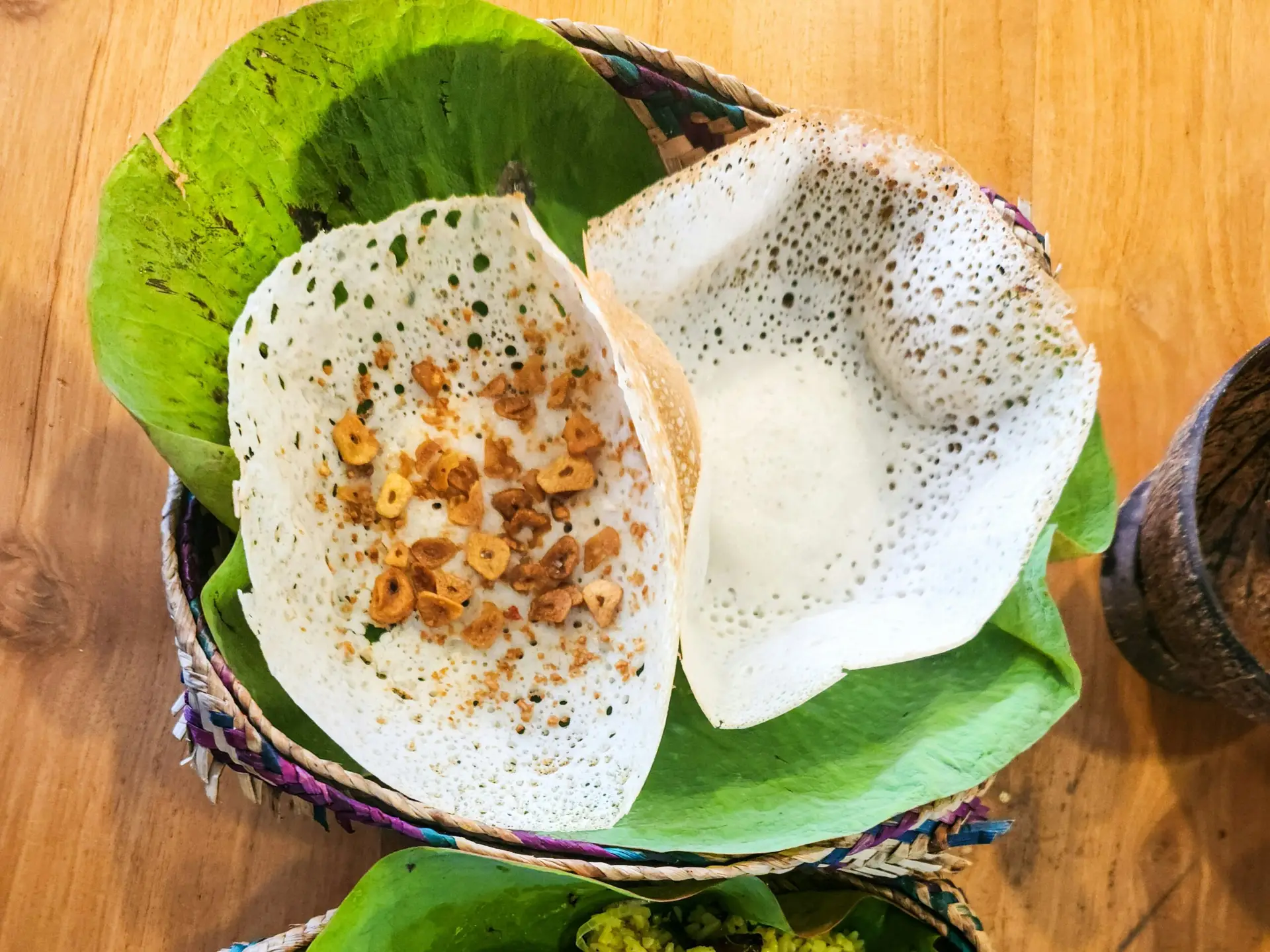
Few dishes delight Western visitors as much as the bowl-shaped hopper. Crispy edges, soft centers, and fermented aroma make them unforgettable. Egg hoppers, especially, have become Instagram stars in New York, London, and Berlin.
Serving Method
- Serve straight off the pan for crisp texture.
- Egg hoppers pair beautifully with lunu miris.
- Milk hoppers shine when topped with palm treacle.
Calories:
80–230 kcal depending on type
For a peek into how these magical pancake bowls are made, BBC Food offers a beautiful demonstration:
https://www.bbc.co.uk/food/recipes/hoppers_70851
3. Pol Sambol
The fiery-red, coconut-packed Pol Sambol is a favorite Sri Lankan food among Westerners who love fresh, bold flavors. It transforms even simple rice into a vibrant, exciting meal.
Serving Method
- Serve at room temperature.
- Pairs with rice, hoppers, bread, or grilled fish.
Calories: 90–120 kcal
Curious about the world of sambols beyond Sri Lanka? This overview paints the bigger picture:
https://en.wikipedia.org/wiki/Sambal
4. Kukul Mas Curry (Chicken Curry)
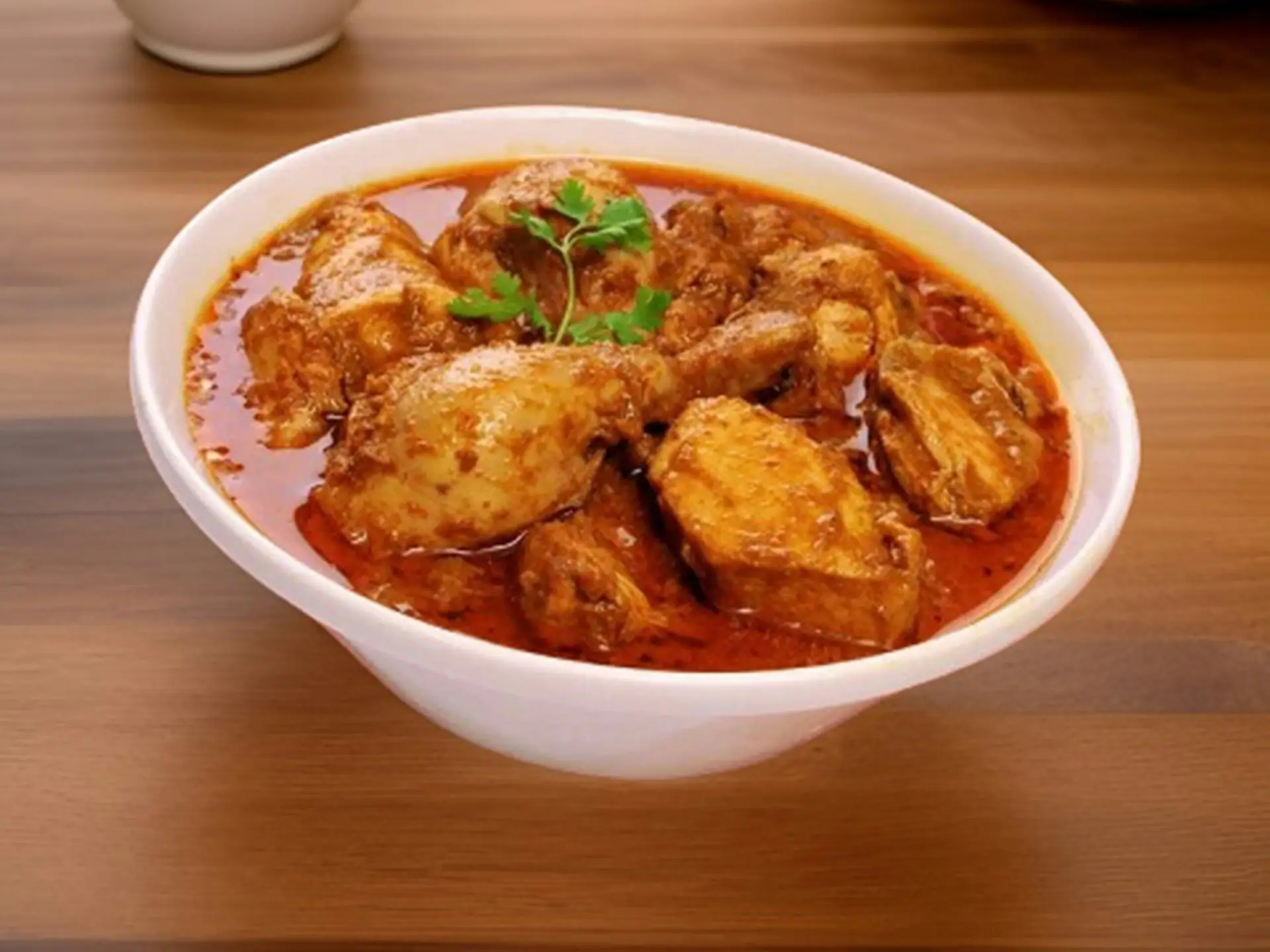
This coconut-rich chicken curry captures hearts with its aroma alone. Cinnamon, curry leaves, roasted spices, and creamy coconut milk build a flavor profile both familiar and refreshingly unique to Sri Lankan food culture.
Serving Method
- Enjoy with rice, string hoppers, or roti.
- Fresh curry leaves make a perfect garnish.
Calories: 350–450 kcal
For a deeper dive into how Sri Lankan households craft curry, here’s a beautiful introduction:
https://www.lovesrilanka.org/sri-lankan-curry/
5. Fish Ambul Thiyal
This iconic sour fish curry brings together smokiness, pepper, and the tang of goraka. Western seafood lovers adore its distinct personality.
Serving Method
- Serve with hot rice and pol sambol.
- Best enjoyed warm.
Calories: 250–300 kcal
Discover the origins of this legendary dish through this culinary snapshot:
https://en.wikipedia.org/wiki/Ambl_thiyal
6. Lamprais
Lamprais blends Dutch and Sri Lankan food traditions into one aromatic banana-leaf-wrapped masterpiece. Every parcel contains rice, meat curry, frikkadels, and sambols baked together for unmatched flavor.
Serving Method
- Serve inside the banana leaf for full aroma.
- Traditionally enjoyed with hands.
Calories: 700–900 kcal
For a taste of its colonial roots and cultural history, explore its story here:
https://en.wikipedia.org/wiki/Lamprais
7. String Hoppers (Idiyappam)
Soft, delicate, and gluten-free, string hoppers are a Western favorite thanks to their lightness and versatility.
Serving Method
- Serve with kiri hodi and dhal.
- Add pol sambol for spice.
Calories: 180–220 kcal
To understand how these rice-flour nests take shape, this traditional breakdown is fascinating:
https://en.wikipedia.org/wiki/Idiyappam
8. Parippu (Dhal Curry)
Creamy, coconut-rich dhal is comfort Sri Lankan food in every sense. It is the most “universal” Sri Lankan dish — mild, nutritious, and beloved in both American and European homes.
Serving Method
- Serve over rice, with hoppers, or with roti.
- Add a spoon of coconut oil on top.
Calories: 220–270 kcal
If you love lentil dishes, this broader look at dhal traditions is a great companion read:
https://www.bbcgoodfood.com/recipes/red-lentil-dhal
9. Watalappan

Sweet, silky, and aromatic with cardamom — Watalappan is Sri Lanka’s signature dessert. Its creamy coconut custard makes Westerners swoon.
Serving Method
- Serve chilled.
- Garnish with roasted cashews.
Calories: 250–300 kcal
To explore its festive roots, this short profile is a wonderful introduction:
https://en.wikipedia.org/wiki/Watalappan
10. Sri Lankan Crab Curry
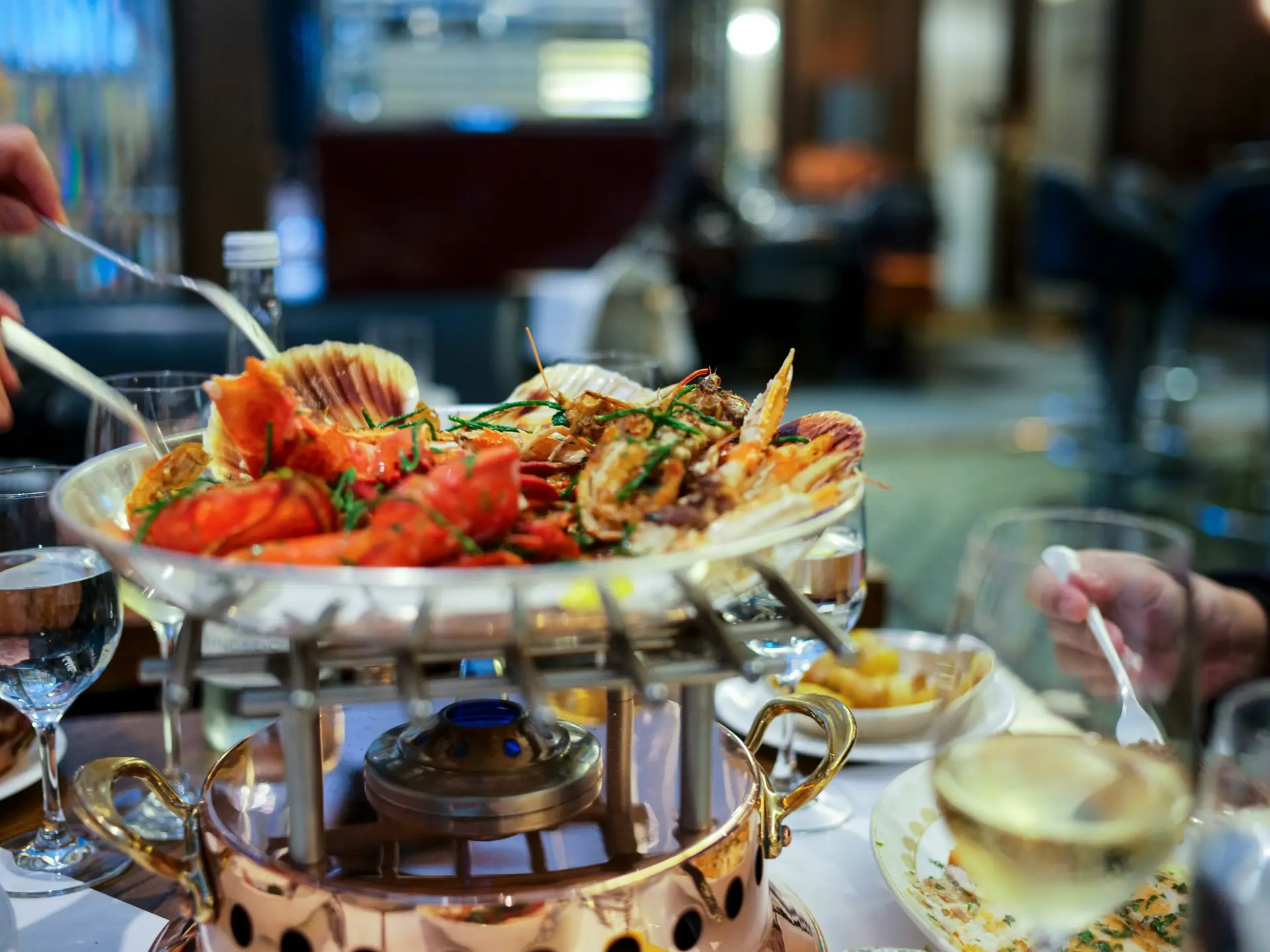
Sri Lankan crab curry blends creamy coconut with bold roasted spices. Seafood lovers in the West find it irresistible. very famous Sri Lankan food among high end class families too.
Serving Method
- Serve with roast bread or rice.
- Provide finger bowls — it gets deliciously messy.
Calories: 350–450 kcal
To see why Sri Lankan crab is famous worldwide, this culinary story explains it well:
https://www.lovesrilanka.org/sri-lankan-crab/
11. Pol Roti
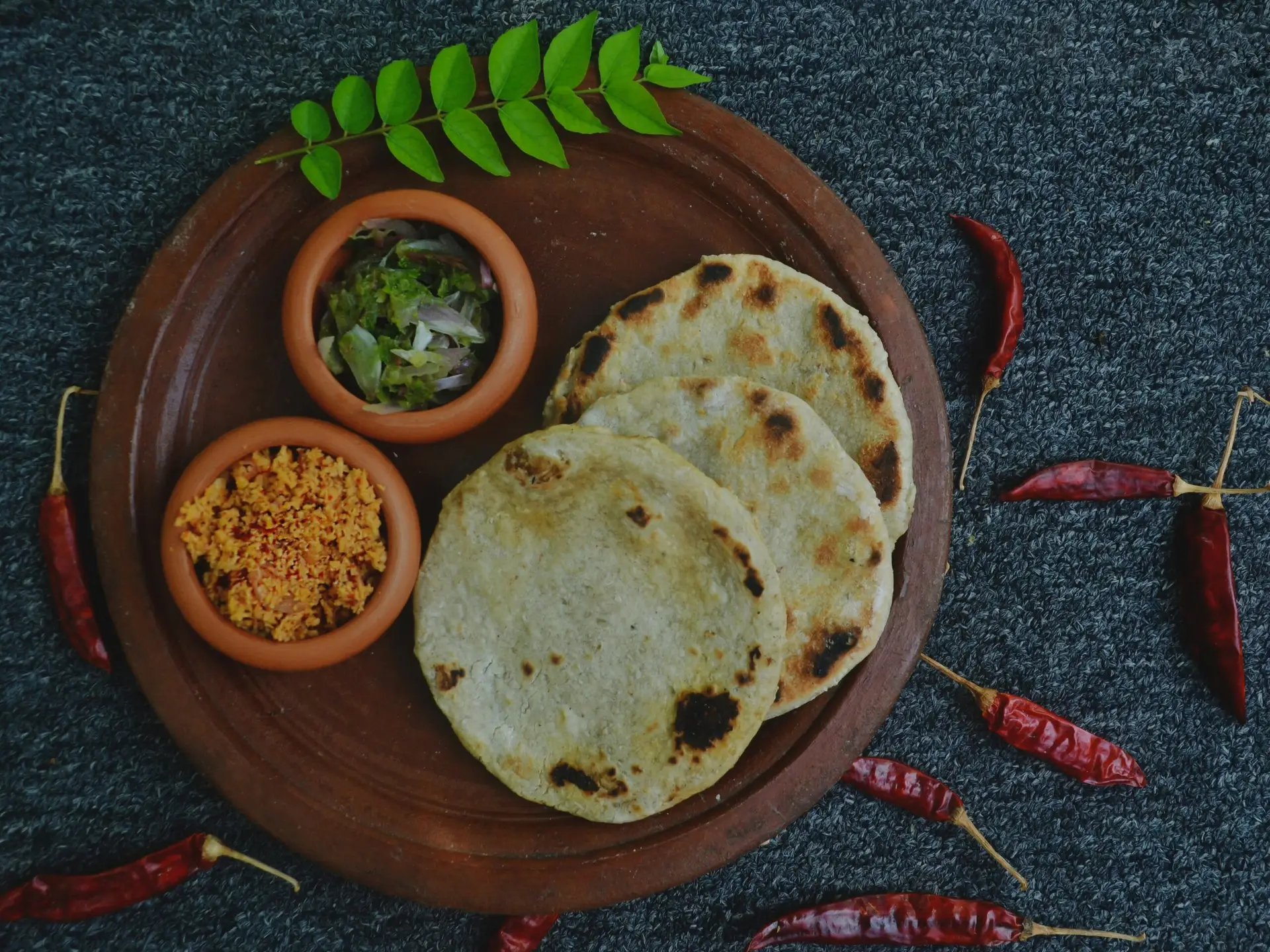
Pol roti is rustic and satisfying — a coconut-infused flatbread with mild chewiness. Westerners love how simple yet rich it tastes.
Serving Method
- Serve warm with lunu miris or dhal.
- Use as a wrap with grilled chicken or veggies.
Calories: 180–220 kcal
For an authentic recipe walkthrough, this guide captures it perfectly:
https://www.seriouseats.com/sri-lankan-pol-roti-recipe
12. Seeni Sambol
Sweet, caramelized onions cooked with chili and spices — Seeni Sambol is surprisingly universal. Europeans adore its chutney-like quality; Americans love it on burgers. It is an much famous Sri Lankan food among those.
Serving Method
- Serve with buns, rotis, or rice.
- A brilliant addition to cheese boards.
Calories: 80–120 kcal
A deeper look at the sambol family reveals just how unique Seeni Sambol is:
https://en.wikipedia.org/wiki/Sambol
13. Eggplant Moju (Brinjal Pickle)
A tangy-sweet pickled eggplant dish, Eggplant Moju appeals immensely to Europeans thanks to its Mediterranean-style flavors.
Serving Method
- Serve at room temperature.
- Excellent with rice & curry or lamprais.
Calories: 150–200 kcal
This taste atlas entry captures its cultural character beautifully:
https://www.tasteatlas.com/wambatu-moju
14. Sri Lankan Biryani (Buriyani)
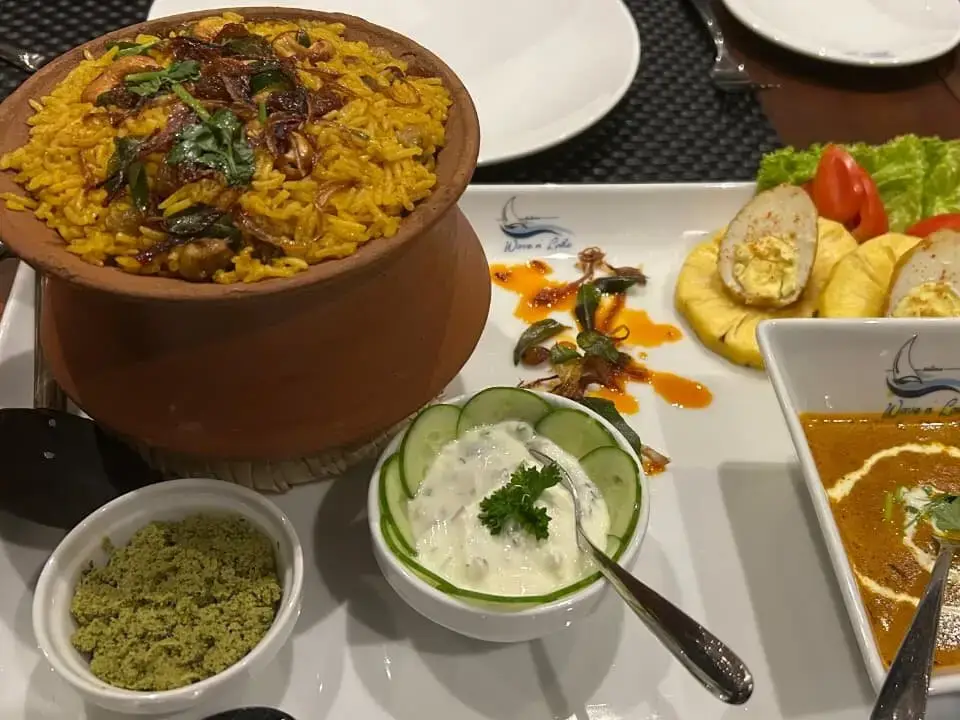
Fragrant, festive, and immensely comforting, Sri Lankan Biryani is a global crowd-pleaser.
Serving Method
- Serve with raita and mint sambol.
- Add a boiled egg for authenticity.
Calories: 650–800 kcal
Curious how biryani evolved across Asia? Here’s a great historical overview:
https://en.wikipedia.org/wiki/Biryani
15. Kiribath (Milk Rice)
Simple yet symbolic, Kiribath represents celebration and prosperity in Sri Lankan culture. Its creamy coconut richness appeals to all ages.
Serving Method
- Cut into diamonds.
- Serve with lunu miris or seeni sambol.
Calories: 300–350 kcal
To explore why Kiribath holds such cultural significance, this short read explains it beautifully:
https://en.wikipedia.org/wiki/Kiribath
Final Thought by LankaQuest Team
Sri Lankan food is more than a collection of dishes — it is a journey of color, warmth, and stories woven into every bite. Each curry carries the soul of a village kitchen, each sambol whispers the rhythm of island life, and every hopper echoes the sunrise over misty mountains. You can taste these flavors abroad, but the true magic lives in Sri Lanka itself — where meals are served with smiles, spices dance in the air, and every plate feels like a celebration. If your heart is hungry for adventure and your senses crave something unforgettable, come to Sri Lanka and let the island feed you in the most beautiful way.



Attempting to figure out your perfect colors can be very tricky, especially if you have a delicate olive skin color palette or aren’t clear if olive green is warm or cool. A valuable way to start is by doing a vein color analysis or the vein test to assess your undertones, which can uncover if you have a red undertone, yellow undertones, or neutral skin tone. This can point you toward understanding which color season you align with—be it soft autumn, deep summer, or light spring—and thus, what colors actually complement your complexion.
If you’re interested about exploring your season more, there are many color analysis tools and apps that facilitate virtual hair color try on or even AI-generated colour analysis to see which colors suit you best. For some complimentary resources and insights about your personal color season, I stumbled upon this site really handy [url=https://what-season-am-i.com]olive-pale[/url] . Remember, knowing your skin tone color palette, like whether you have light olive skin, beige skin tone, or subtle yellow toned skin, can make a major impact in selecting clothing and hair colors that highlight your natural beauty.
If you are exploring the most suitable colors for ivory skin or endeavoring to figure out your seasonal color palette, tools like color analysis apps and quizzes can be tremendously helpful. For demonstration, doing an undertone vein test can clarify whether you have blue veins undertone or yellow undertone skin, which is crucial when picking between deep summer color palette or light spring color palette. You can also try free online color analysis applications to get a rapid idea of what colors work well on pale skin or yellow skin tone.
Seasonal color analysis categorizes skin tones into divisions like deep summer, soft summer, or dark winter color palette, helping you find your most enhancing shades. For those with special skin tones such as amber skin tone, olive skin tone, or red undertone skin, understanding your skin shade chart and seasonal color palette genuinely makes a impact in clothing preferences. If you desire to dive deeper into color analysis pro or explore different hair color simulators in addition to your skin tone color, visit [url=https://coloranalysisfree.org]clothing colors for yellow skin tone female[/url] to get rolling.
Если вы собираетесь поездку в Париж и намерены изучить город с всевозможных сторон, стоит заглянуть на блошиные рынки Парижа, где можно разыскать уникальные сувениры и антиквариат. Не забудьте бесплатные музеи Парижа — многие из них открывают доступ познакомиться с искусством без финансовых вложений, а в Лувре стоит сфокусироваться самым известным экспонатам. Для тех, кто интересуется безопасными районами Парижа и хочет легко навигировать, полезно изучить карту округов и районы по степени безопасности, чтобы спокойно и уверенно гулять по городу.
Также, советуем заглянуть в музей Массена в Ницце и виллу Массена, которые отражают богатую историю региона. Если вы решили поехать из Парижа в Версаль самостоятельно, ознакомьтесь с подробные советы, включая как добраться до Версаля из Парижа [url=https://parisgid6.ru/]бесплатные музеи парижа[/url] . Не забудьте о важных нюансах — чаевые в Париже отличаются своей спецификой, и полезно знать сколько чаевых платить во Франции, чтобы избежать недоразумений. Весёлой поездки и захватывающих открытий!